Focus On:
4 min read
Tune-In Tuesday – #7 Focus On: Prototyping first — reducing risk in projects
Prototyping first — reducing risk in projects
One of the biggest issues in digital projects usually isn’t development itself.
It’s misalignment.
Different stakeholders visualising different outcomes, technical assumptions being made too early or teams committing budgets before the actual experience is fully understood can quietly send projects off course long before anything is built. And the larger or more complex the project becomes, the more expensive those misunderstandings tend to get later.
That’s why we’ve increasingly seen the value of a prototype-first approach.
Not because prototypes are “nice to have”.
Because they significantly reduce risk.
Why prototypes change the conversation
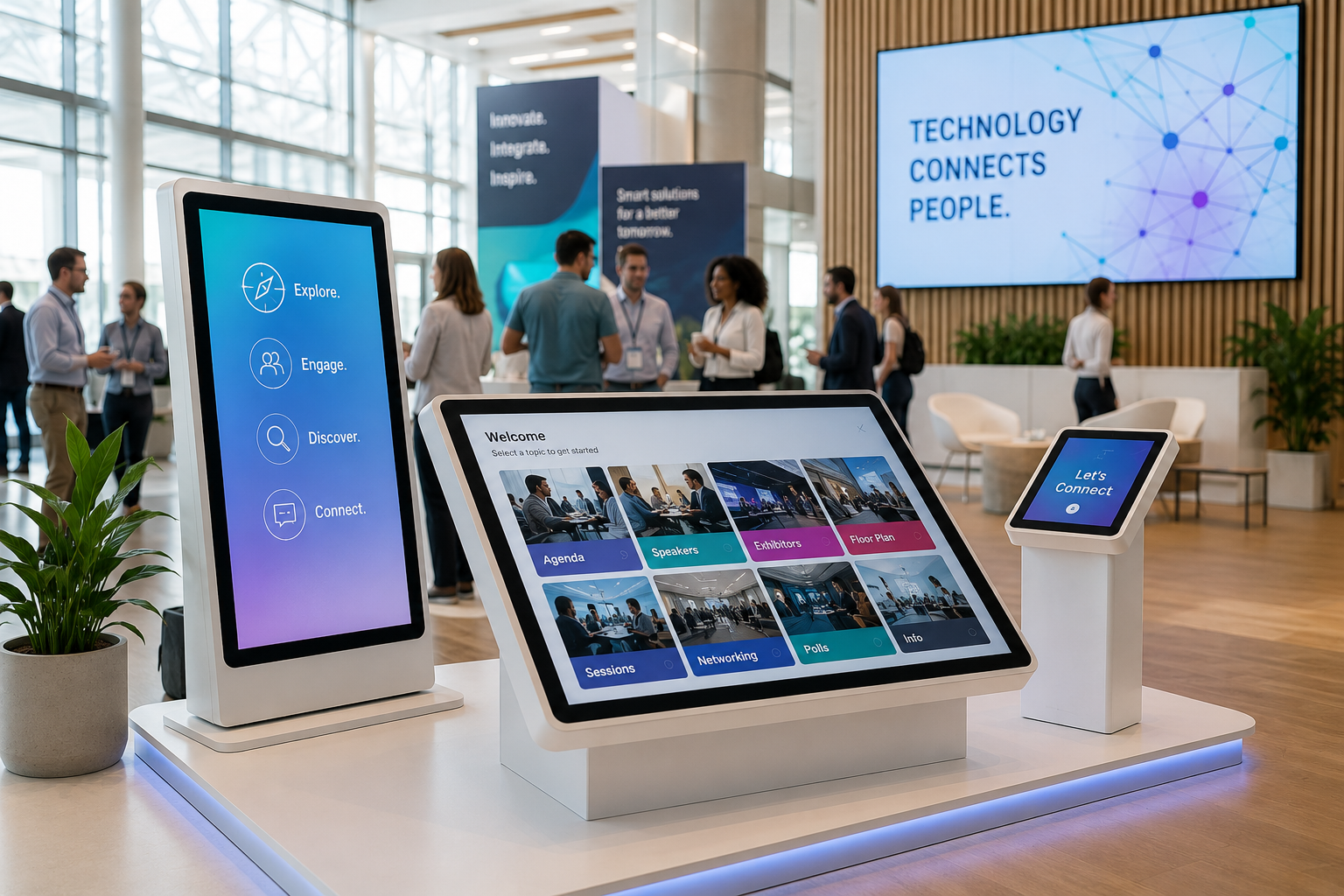
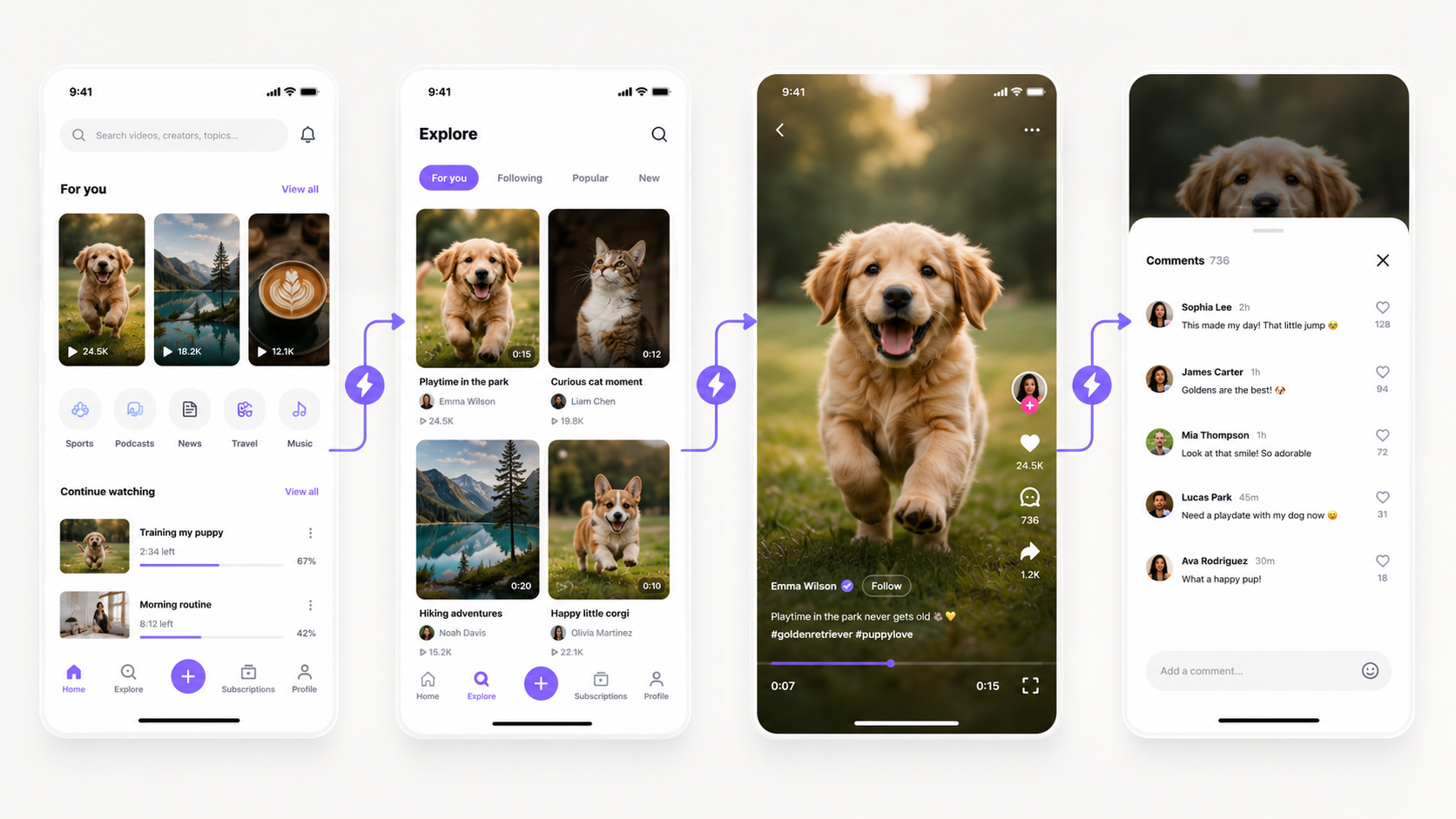
A prototype immediately makes a project more tangible. Instead of discussing abstract ideas through slides, workshops and documents, people can actually experience something early in the process. They can interact with it, challenge assumptions, test navigation and properly react to how the experience feels before major investment happens.
That creates clarity very quickly.
Interestingly, many project issues already exist long before development begins — they’re just hidden until later. Navigation that looked good on paper suddenly feels confusing. Interactions that sounded exciting become unnecessarily complicated. Stakeholders realise they were imagining completely different experiences.
Without a prototype, those problems often don’t surface until timelines, technical decisions and budgets are already locked in.
That’s where projects become expensive to change.
Prototyping identifies friction early
One of the biggest advantages of prototyping is that it allows teams to validate key parts of the experience much earlier in the process.
That might include:
- User Journeys
- Interaction Design
- Navigation Flow
- Audience Behaviour
- Technical Feasibility
- Engagement Quality
- Operational Practicality
Importantly, a prototype isn’t the final product.
It’s a learning tool.
Sometimes the goal of prototyping is actually proving that an idea doesn’t work as expected. That can initially feel uncomfortable, but identifying weak ideas early is significantly cheaper than discovering problems halfway through a full production build.
We often find that rapid prototypes create much stronger alignment between creative, technical and commercial teams because everyone is reacting to the same experience rather than their own interpretation of a document.
Why it matters even more now
Audience expectations around digital experiences are becoming much higher. People expect interactions to feel intuitive almost immediately. Attention spans are shorter, patience is lower and if an experience feels confusing or overly complicated, users disengage very quickly.
Prototyping helps identify that friction early before it becomes embedded into the final product.
That’s particularly valuable across:
- Events
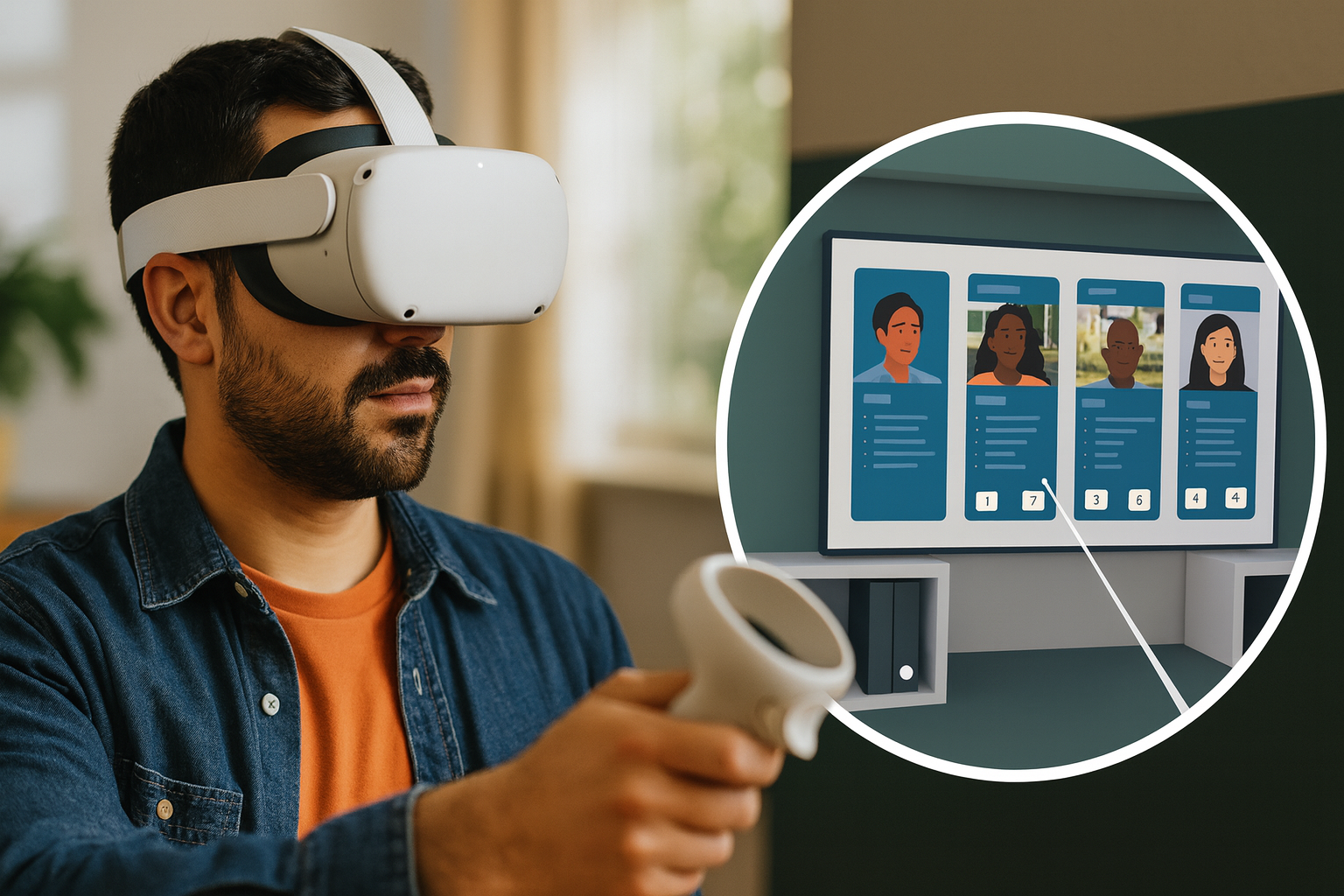
- Immersive Experiences
- Learning Platforms
- Healthcare Tools
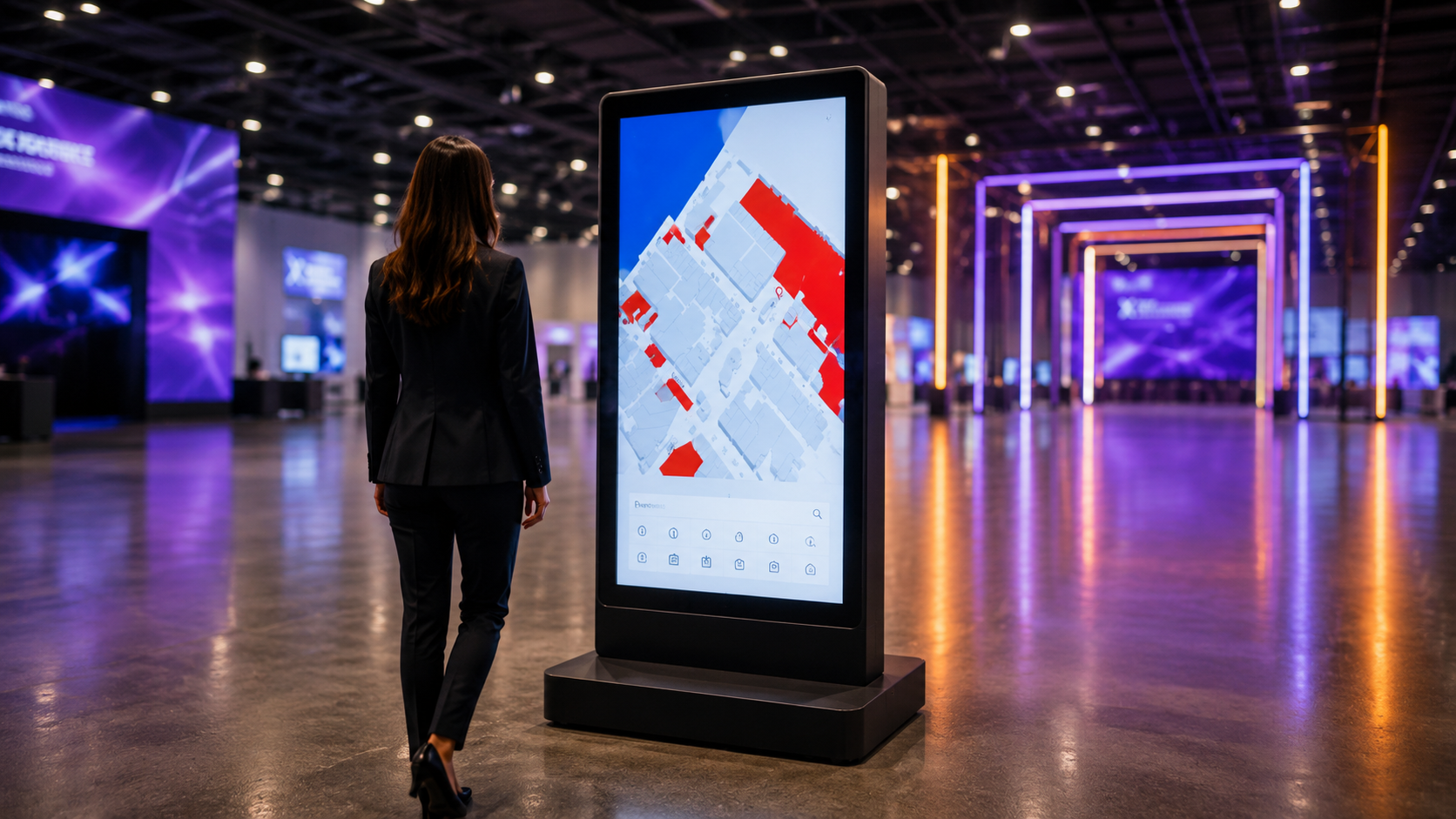
- Touchscreen Experiences
- Interactive Content
- Connected Digital Systems
In many of these projects, usability and flow are just as important as visual design itself.
Faster projects, clearer outcomes
Interestingly, prototyping often speeds projects up rather than slowing them down. Some teams initially see it as an additional stage, but in reality it usually reduces delays later because key decisions get validated earlier and stakeholder feedback becomes significantly clearer.
That creates:
- Better Alignment
- Clearer Expectations
- Faster Decision-Making
- Reduced Technical Risk
- Lower Long-Term Cost
- Stronger Outcomes
At Lucden, prototyping has become a core part of how we approach many digital projects. Not because we want to add more process, but because we want to remove uncertainty before projects become expensive to change.
Because ultimately, the earlier you can properly experience an idea, the earlier you can improve it.