Focus On:
4 min read
Tune-In Tuesday – #2 Focus On: Event Hardware — The difference between a good experience and a forgettable one
The difference between a good experience and a forgettable one — turning engagement into memorable experiences
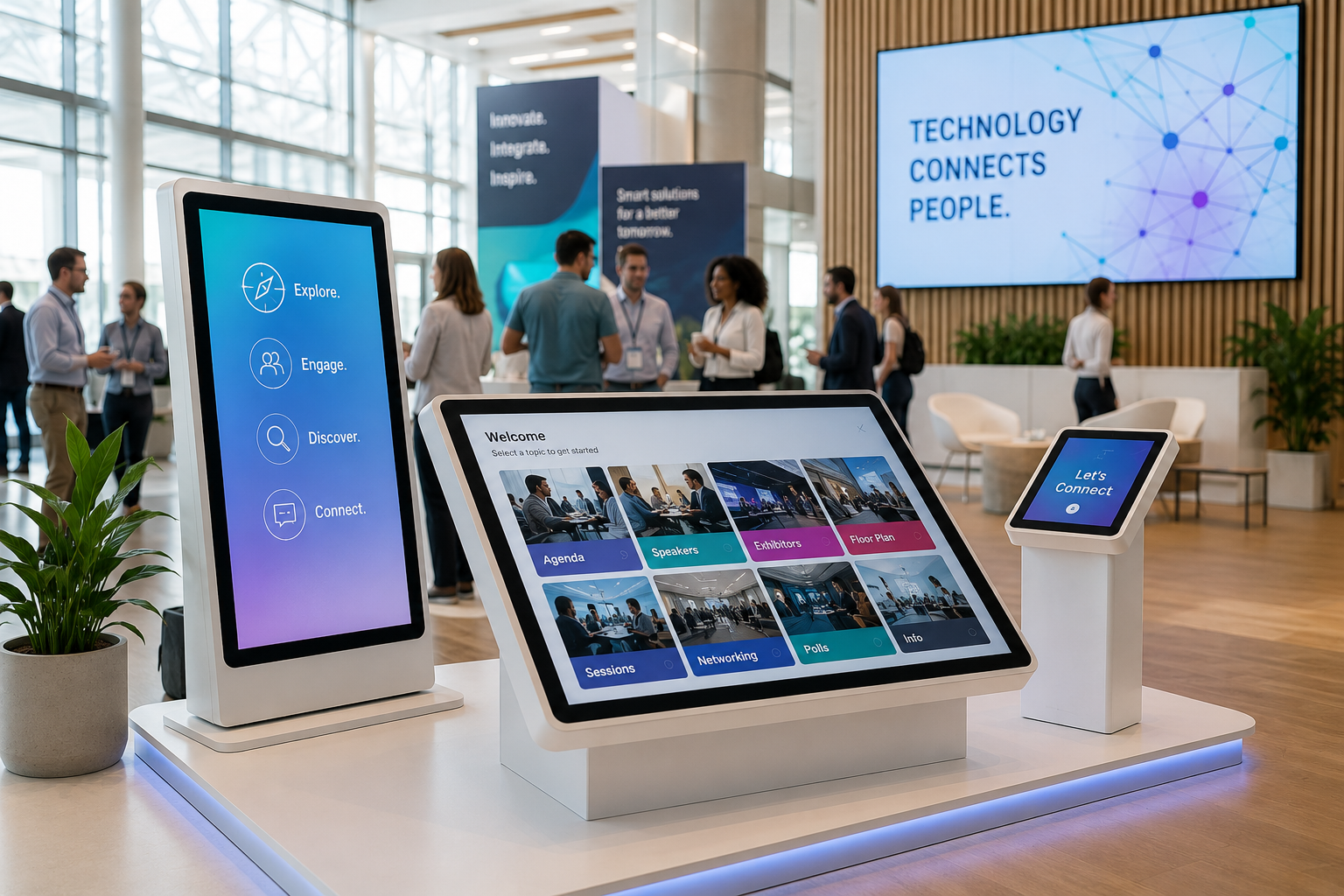
Walk around most exhibitions, conferences or brand activations now and it’s impossible not to notice how much event technology has evolved. Larger LED displays, immersive environments, interactive touchpoints and connected digital experiences are becoming a huge part of modern events. When used well, hardware can completely transform engagement — helping brands create experiences that feel more dynamic, memorable and immersive for attendees.
But the real value rarely comes from the technology alone. It comes from the creativity and thinking behind how it’s used.
Some of the strongest event experiences we’re seeing at the moment aren’t necessarily the biggest or most complex. They’re the ones where hardware has been carefully considered as part of the wider audience journey. Great event technology should feel natural within the experience — guiding interaction, encouraging engagement and helping people connect with content in a more intuitive way rather than simply overwhelming them with screens and effects.
That’s where creative thinking becomes incredibly important. A well-designed interaction, a smart piece of content or a simple immersive moment can often create far more impact than a large-scale installation without a clear purpose behind it. The best experiences usually combine physical and digital elements in a way that feels seamless, effortless and genuinely engaging for the audience.
We’re also seeing brands become much more strategic in how they approach hardware at events. Rather than simply adding more technology, the focus is shifting towards creating experiences that are measurable, reusable and designed around real engagement. That includes smarter interaction design, cleaner user journeys and hardware setups that support storytelling rather than distract from it.
Physical technology absolutely has an important place in the future of events. In many cases, it’s what helps transform a stand, activation or experience from something passive into something people actively remember and talk about afterwards. But the strongest results tend to happen when creativity, audience understanding and technology all work together — not when hardware becomes the entire focus on its own.