Focus On:
4 min read
Tune-In Tuesday – #4 Focus On: Virtual reality — still relevant or fading out?
Virtual reality — still relevant or fading out?
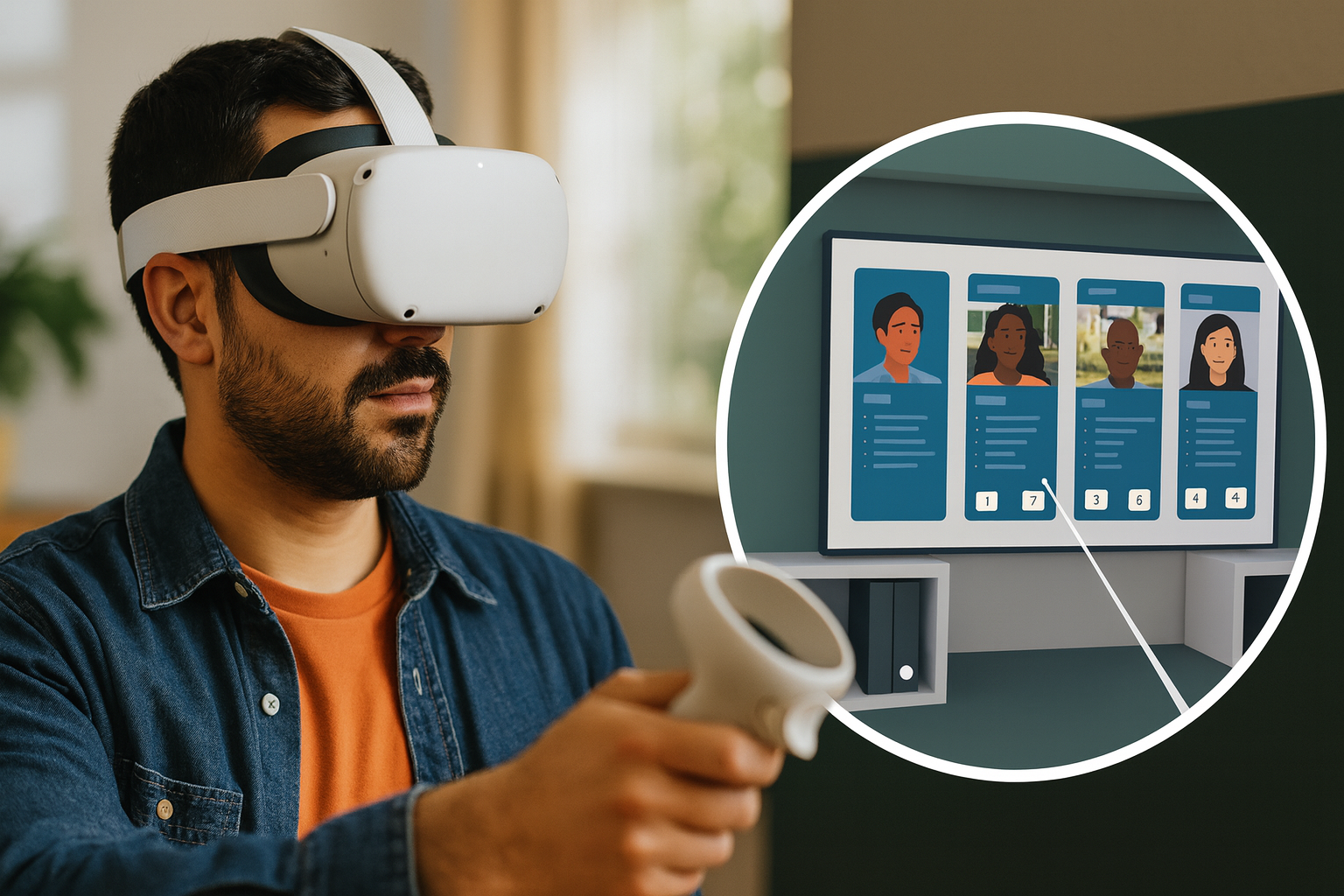
A few years ago, virtual reality was everywhere. Every event wanted a headset experience, every innovation conversation included “the metaverse” and almost every pitch deck featured somebody wearing VR goggles looking amazed by something invisible to everyone else around them.
But more recently, the conversation has shifted quite a lot.
Not because VR disappeared, but because the industry has become far more realistic about where it genuinely adds value and where it simply becomes expensive novelty. That feels like a much healthier place for immersive technology to be.
Where VR still delivers real value
The strongest VR experiences tend to have one thing in common — they create something that would otherwise be difficult, dangerous, expensive or impossible to experience in real life.
That’s where VR still performs incredibly well.
For example:
- Immersive Training Simulations
- Hazardous Environment Learning
- Product Visualisation Before Manufacturing
- Scenario-Based Education
- Complex Process Simulation
- Spatial Walkthroughs
- Remote Exploration
In these situations, VR creates genuine practical value rather than simply visual impact. Particularly across healthcare, training and education, the ability to safely recreate environments and repeat scenarios remains incredibly powerful when applied correctly.
The problem with “VR for the sake of VR”
The challenge is that a lot of VR experiences were never really solving a problem in the first place. Many brands adopted VR because it felt innovative rather than because it improved the actual outcome.
Once the initial novelty wore off, the friction became much more noticeable:
- Headset Setup
- Hygiene Concerns
- Queueing At Events
- Accessibility Challenges
- Isolated User Experiences
- High Production Costs
At live events especially, VR can sometimes work against engagement rather than improving it. The moment somebody puts on a headset, they become disconnected from the physical environment and from the people around them. In certain training scenarios that works perfectly. In broader event environments, it can sometimes create more friction than immersion.
The shift towards lighter immersive experiences
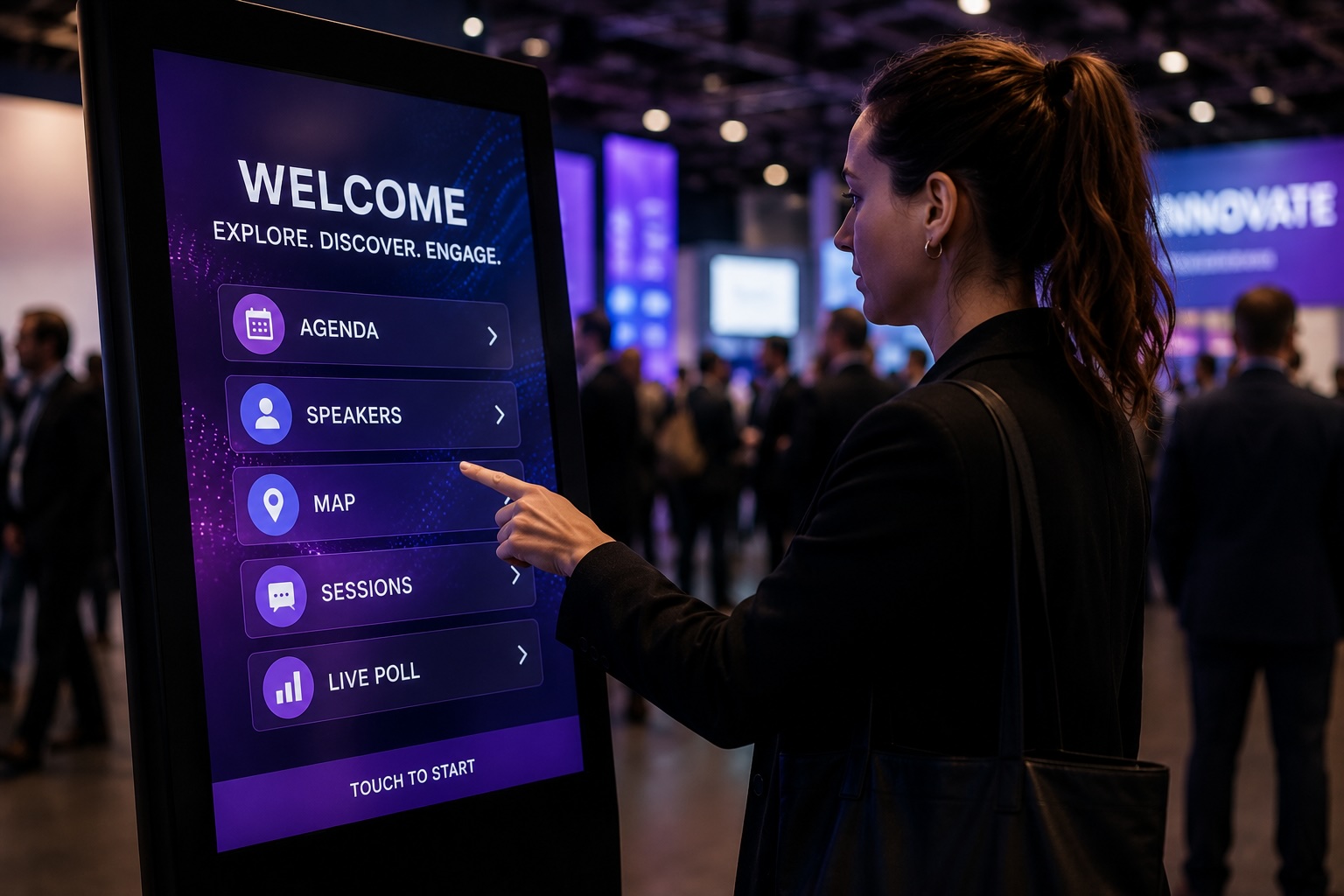
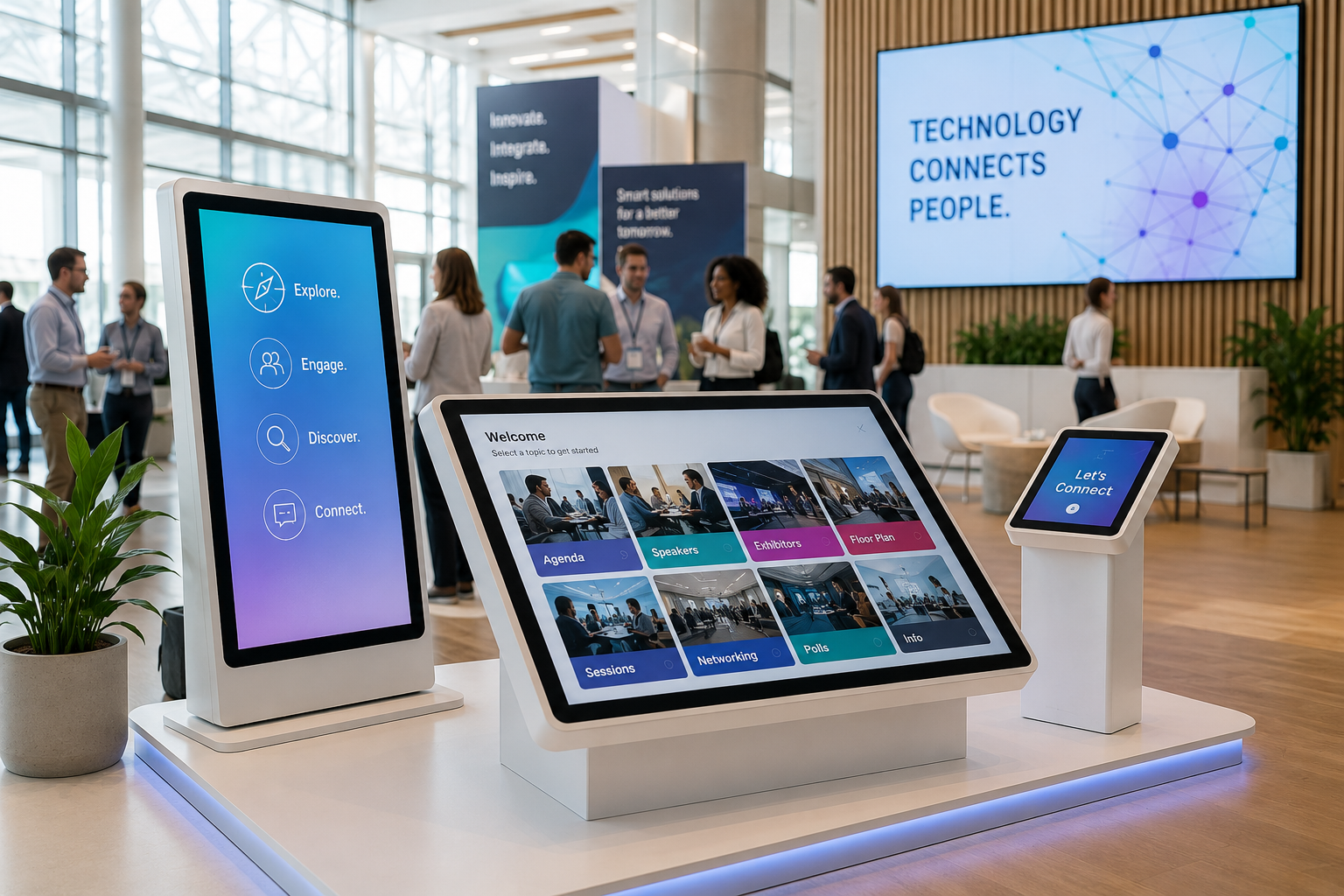
That’s why we’re seeing many brands move towards more flexible immersive technologies instead. Things like augmented reality, mixed reality, large interactive displays and real-time 3D experiences often create stronger engagement because they remove barriers to participation while still feeling highly immersive.
Interestingly, VR now seems to be evolving away from being the “headline attraction” and becoming something far more specialised and intentional.
Less:
“Let’s Add VR Because It Feels Exciting”
More:
“Does VR Actually Solve This Problem Better Than Another Technology?”
That’s a much smarter conversation.
Choosing the right technology for the experience
VR absolutely still has a place and in the right environments it can deliver exceptional results. But the strongest immersive experiences are rarely defined by the most advanced technology alone. They’re usually defined by:
- Relevance
- Usability
- Accessibility
- Engagement
- Clarity Of Purpose
At Lucden, a lot of our conversations now involve helping clients decide not just what technology is possible, but what technology is genuinely appropriate for the audience, environment and objective.
Sometimes VR is absolutely the right answer.
Sometimes a simpler interactive experience creates far stronger engagement at lower cost with less friction.
Because ultimately, immersive technology only works when the experience itself works first.