Behind the build
4 min read
Behind the build: Why interaction needs purpose
When interactivity starts creating friction
Interactivity has become one of the most overused concepts in digital experiences.
Buttons move. Panels animate. Screens transition. Elements expand, swipe and respond to touch.
And while interaction can absolutely improve an experience, there’s a growing tendency within digital projects to add interactivity simply because the technology allows it.
That’s often where experiences start becoming more complicated than effective.
We regularly work on projects where the initial concept contains large amounts of interaction layered throughout the journey. On paper, the experience feels dynamic and engaging.
But once the interaction is tested properly in context, an important question usually emerges:
Does the interaction genuinely improve the experience — or is it simply adding movement and complexity?
Why more interaction doesn’t always improve engagement
We recently worked through an interactive experience where the original concept contained multiple animated pathways, layered transitions and several engagement mechanics designed to increase participation.
Individually, many of the interactions looked visually impressive.
But collectively, they created friction.
The experience required too much attention, too many decisions and too much conscious effort from users simply trying to move through the journey itself.
That’s one of the biggest misconceptions around interactive content.
More interaction does not automatically create more engagement.
In many cases, the opposite is true.
Designing interaction with intention
The strongest interactive experiences usually focus attention on a smaller number of purposeful moments rather than making every part of the experience interactive simultaneously.
Our approach focused heavily on identifying where interaction genuinely added value and where it was distracting from the core objective of the experience.
We looked closely at:
- What users were trying to achieve
- Where interaction improved understanding
- Where engagement naturally increased
- Which interactions slowed progression
- Where visual noise was being introduced
- How the experience flowed emotionally and functionally
Several interactions were simplified or removed entirely, animations became more restrained and key engagement moments were prioritised more intentionally throughout the journey.
Why restraint often creates stronger experiences
Importantly, the goal wasn’t to make the experience less engaging.
It was to make the engagement more meaningful.
That difference is incredibly important within interactive design.
The best interactions usually serve a clear purpose. They guide attention, reinforce understanding, encourage participation or create moments of clarity that wouldn’t exist within static content alone.
When interaction exists without purpose, users often feel it immediately.
Experiences begin to feel slower, heavier and more difficult to navigate even when the visuals themselves remain highly polished.
Creating interaction that supports momentum
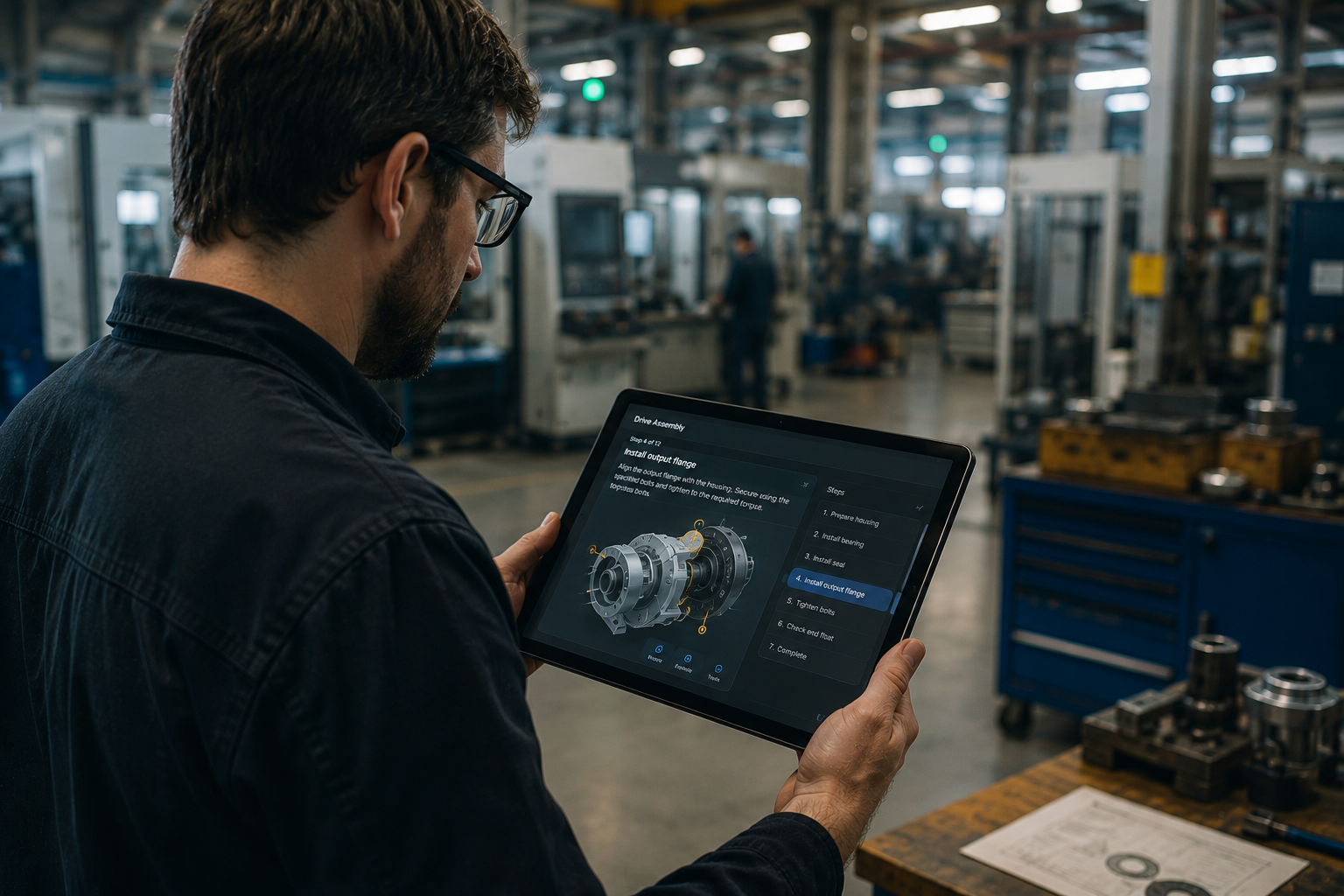
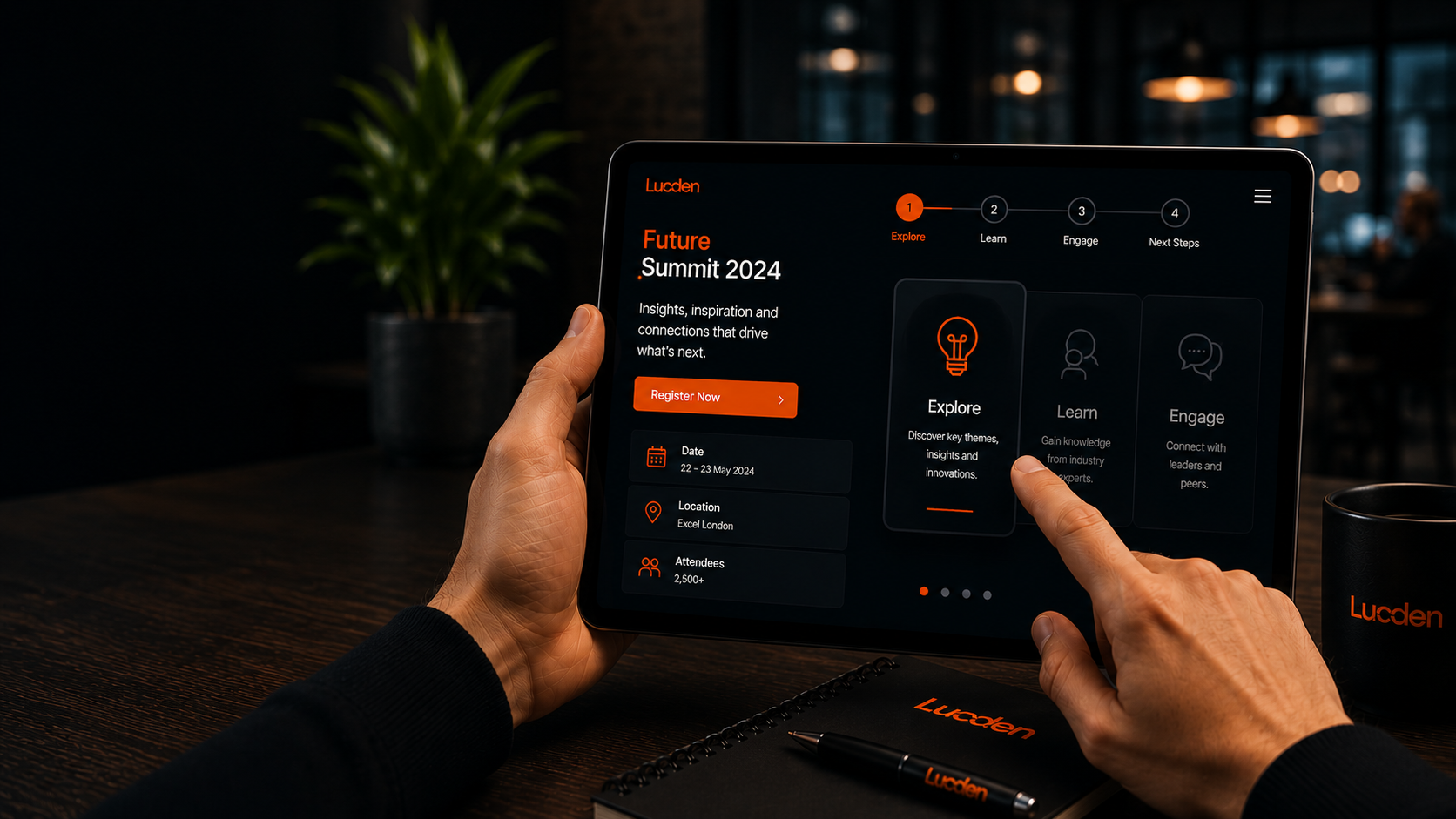
This becomes especially important within event environments, training platforms and touchscreen experiences where users are already distracted or operating with limited attention spans.
Strong interaction design should support momentum rather than interrupt it.
Following the refinement process, the overall experience became significantly cleaner and easier to engage with. Users moved through the journey more naturally, interaction points felt more deliberate and the experience itself became more focused despite containing fewer interactive elements overall.
It reinforced something we see repeatedly across digital experience design:
Interactivity becomes most valuable when it exists with intention.
That’s usually where stronger engagement begins.
Summary
The effectiveness of interactive experiences rarely comes from how much movement or animation they contain. More often, strong interaction design is about creating purposeful moments that improve understanding, guide behaviour and support the overall user journey.
Reducing unnecessary interaction and focusing attention more intentionally can often create stronger engagement than adding more complexity throughout the experience.
Working on something similar?
Feel free to drop the Lucden team a message on hello@lucden.com or call 0207 101 3268. Always happy to chat ideas through.