Behind the build
4 min read
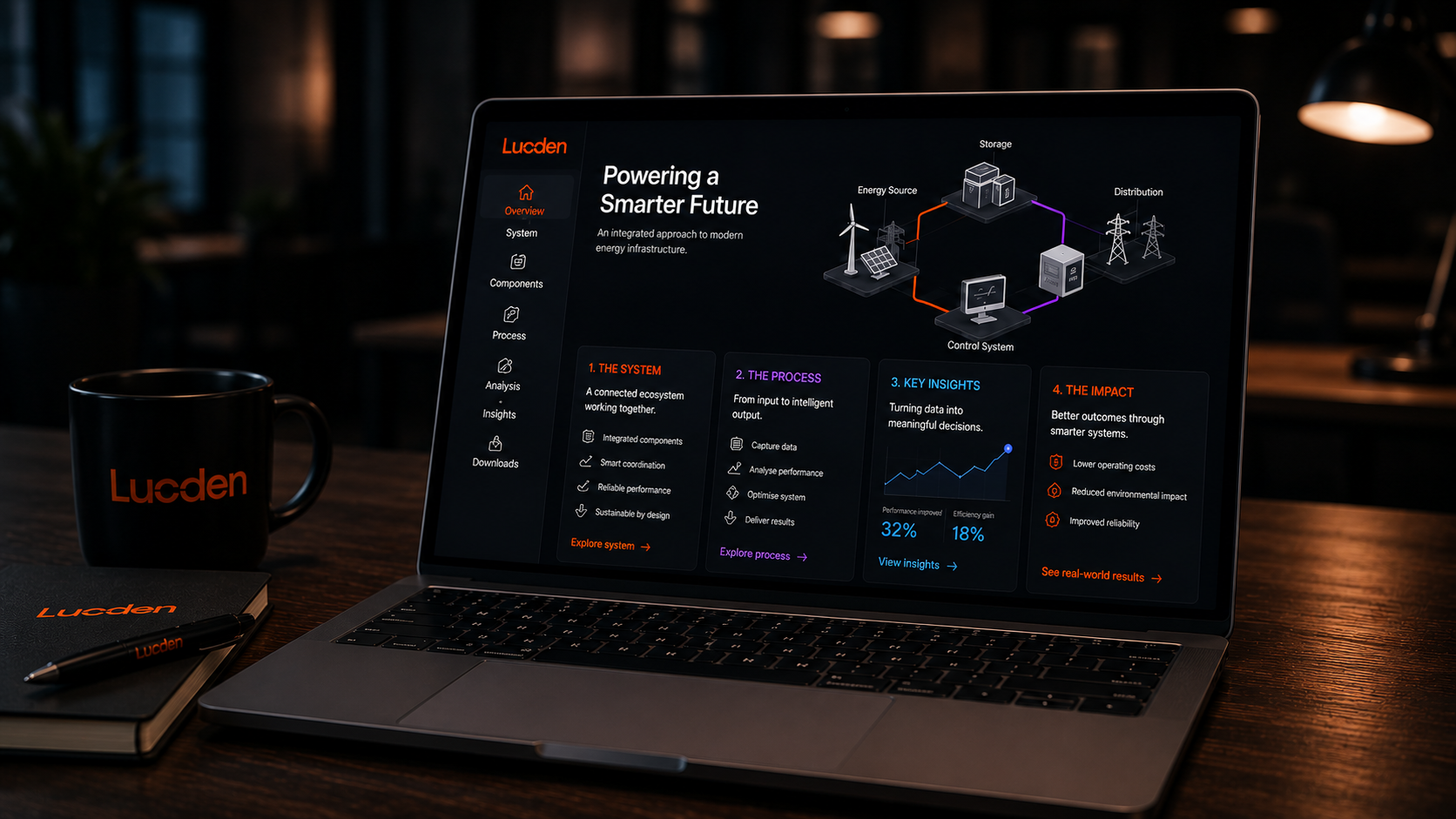
Behind the build: Making difficult information easier to understand visually
Why communication is often the real challenge
One of the biggest challenges in digital experience design usually isn’t the technology itself.
It’s communication.
We regularly work with organisations that need to explain highly technical, detailed or information-heavy subjects to a wide range of audiences. Sometimes it’s scientific content, operational systems, training material or complex infrastructure. In many cases, the information itself is incredibly valuable — but the way it’s presented makes it difficult for people to engage with effectively.
That’s often where clarity becomes more important than complexity.
Structuring information before designing the experience
We recently worked through a project involving highly technical content with layered terminology, detailed processes and large volumes of interconnected information.
The challenge wasn’t whether the content was accurate.
It was whether people could realistically absorb and understand it without becoming overwhelmed.
Before any visual design work even began, a large part of the process focused on simplifying the information structure itself. We looked closely at:
- What users actually needed to understand first
- Which information mattered most
- How content naturally connected together
- Where confusion or overload was likely to occur
- How the experience could guide people progressively through the subject matter
That stage is often overlooked within digital projects.
Why hierarchy matters more than adding more information
One of the most common mistakes within digital experiences is assuming that better understanding comes from providing more information.
In reality, users often need the opposite.
They need structure, hierarchy and guidance through the content in a way that reduces cognitive load rather than increasing it.
Many projects move directly into visual design before the information architecture has been simplified properly. But when dealing with technical content, structure often has a bigger impact on engagement than visuals alone.
Once the information hierarchy became clearer, the design process became significantly more effective.
Reducing friction without reducing accuracy
Complex subjects were broken into more manageable sections, visual pathways became easier to follow and the overall experience felt calmer and easier to navigate despite containing the same underlying detail.
Importantly, simplifying technical information doesn’t mean reducing accuracy.
It means reducing friction.
The goal is not to remove complexity from the subject itself, but to remove unnecessary complexity from the way people experience it.
That’s a very different thing.
Strong digital communication often comes from helping users feel oriented and confident as they move through information.
Helping users engage with information more naturally
This becomes particularly important within healthcare content, training platforms, operational systems and event experiences where users may already be processing large amounts of information within limited timeframes.
Following the restructuring work, engagement with the content improved significantly. Users were able to move through the experience more naturally, key messages became clearer and the overall interaction felt far less mentally demanding despite the technical depth remaining unchanged.
It reinforced something we see repeatedly across digital experience design:
People rarely struggle because information is too advanced.
More often, they struggle because the experience surrounding the information creates too much cognitive friction.
That’s usually where meaningful simplification begins.
Summary
Making technical or information-heavy content easier to understand is rarely about reducing the detail itself. More often, it’s about improving structure, hierarchy and the way users move through the experience.
Clearer pathways, stronger visual organisation and reducing cognitive friction can often have a much bigger impact on engagement than simply adding more information or functionality.
Working on something similar?
Feel free to drop the Lucden team a message on hello@lucden.com or call 0207 101 3268. Always happy to chat ideas through.