
Inspiration
4 min read
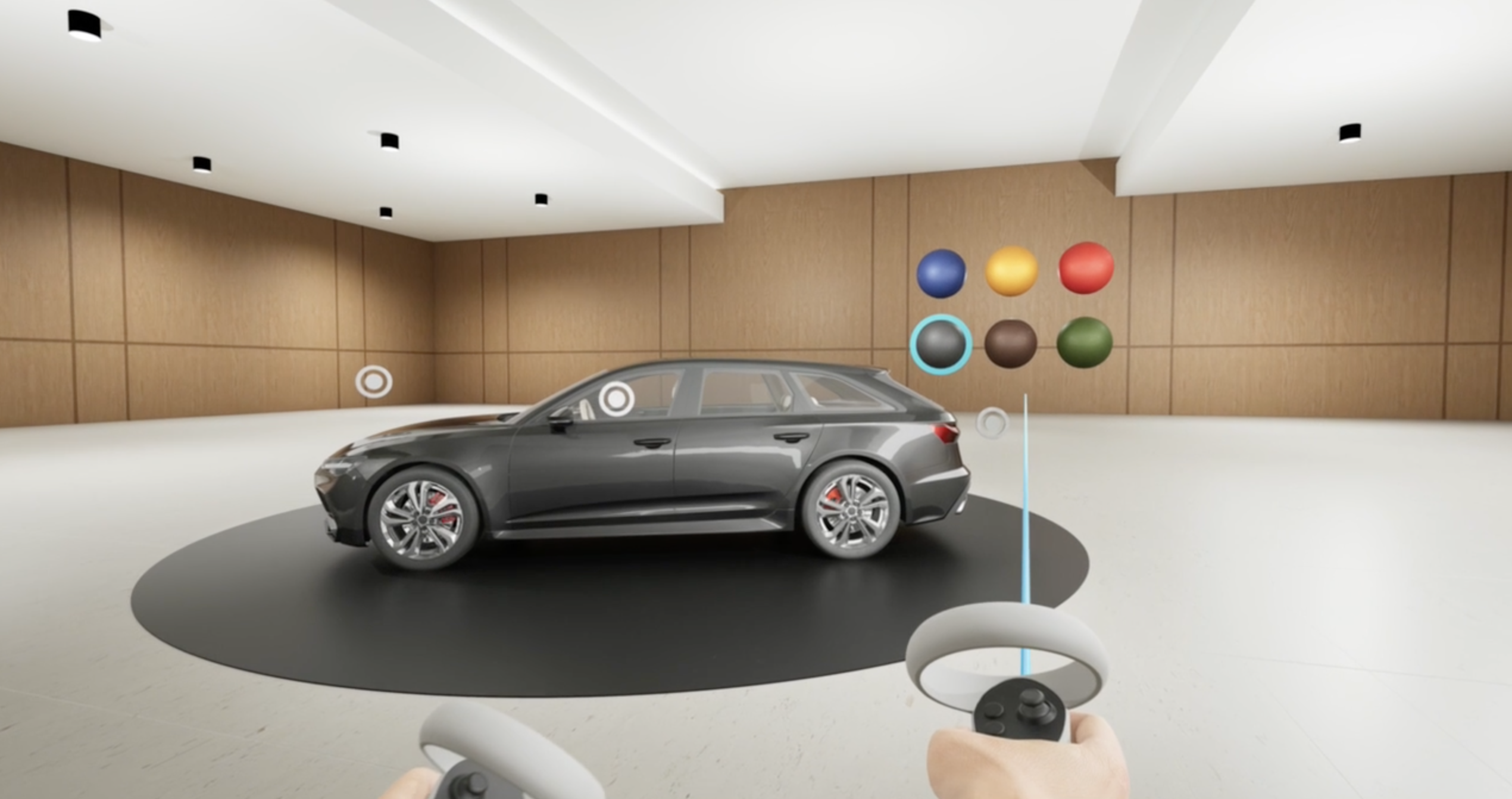
Why Automotive Buyers Decide Long Before They Reach the Showroom
Automotive and mobility brands are investing heavily in digital touchpoints, yet many still treat the showroom or dealership as the primary moment of decision. In reality, buyer preference, shortlists, and brand perception are increasingly formed long before a physical visit ever takes place.
While customer journeys have shifted online, many automotive experiences remain static and brochure-led. Product information is fragmented, digital configurators lack context, and brands struggle to capture meaningful insight into buyer intent. As a result, sales teams often engage too late — when decisions are already largely made.
Industry research consistently supports this shift:
• Research cited by McKinsey & Company shows that the majority of car buyers conduct extensive online research before visiting a showroom, often forming strong brand and model preferences in advance.
• Studies referenced by Deloitte highlight the growing influence of digital experiences on automotive brand consideration and purchase decisions.
• Customer experience research across the sector shows that poor digital journeys reduce trust and increase drop-off before sales teams ever engage.
Automotive digital experiences often fall short because:
• Configurators focus on specifications, not understanding
• Content is static and difficult to personalise
• Digital touchpoints fail to capture intent or decision confidence
• Online and showroom experiences are poorly connected
• Sales teams lack visibility into what buyers actually explored or valued
Leading automotive brands are moving from information-led digital journeys to experience-led exploration. By allowing customers to interact with vehicles, features, and use cases digitally — in ways that reflect real-world ownership — brands are engaging buyers earlier, capturing intent data, and improving the quality of showroom conversations.
1. Immersive Vehicle Exploration Experiences
Interactive, high-fidelity digital experiences that allow buyers to explore vehicles, features, and configurations in context — not just as lists of options.
2. Interactive Configurators With Real-World Scenarios
Configurators that show how choices impact use cases such as family travel, commuting, charging, or performance — not just price.
3. Buyer Intent & Preference Data Capture
Capturing insight into what customers explore, compare, and prioritise before they ever speak to sales.
4. Remote Product Demonstrations & Virtual Showrooms
Extending the showroom experience digitally to reach buyers earlier and remove geographic constraints.
5. Seamless Digital-to-Showroom Handover
Providing sales teams with visibility into each buyer’s digital journey so conversations start informed, not generic.
Automotive brands that engage buyers earlier — through immersive, experience-led digital journeys — are better positioned to influence decisions, improve conversion, and build trust. The competitive advantage is no longer who has the biggest showroom, but who delivers the most meaningful experience before the visit even happens.
Explore how immersive digital experiences are reshaping automotive discovery and buyer engagement.